Quartz glass tubes are widely used in high-temperature equipment, laboratory instruments, UV applications, heating systems, semiconductor processes, and other industrial environments. Their excellent heat resistance, high purity, and good optical properties make them an important material for demanding applications.
However, even high-quality quartz glass tubes require proper cleaning, handling, and maintenance. Surface contamination, fingerprints, dust, chemical residues, and improper handling can affect the appearance and performance of quartz products.
In this guide, we explain how to clean and maintain quartz glass tubes and how to avoid common mistakes that may reduce their service life.
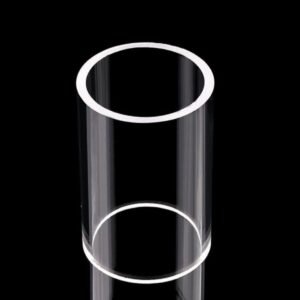
Why Proper Cleaning Is Important for Quartz Glass Tubes
Quartz glass has excellent resistance to high temperatures and many chemicals, but its surface can still become contaminated during manufacturing, transportation, installation, and daily use.
Common contaminants include:
- Dust and particles
- Fingerprints and oil
- Chemical residues
- Water stains
- Process contamination
- Metal particles
For applications involving high temperatures, UV transmission, laboratory equipment, or high-purity processes, keeping the quartz surface clean can be especially important.
For example, fingerprints and oil residues may burn onto the surface when the tube is heated. Contaminants can also affect light transmission or introduce unwanted impurities in sensitive applications.
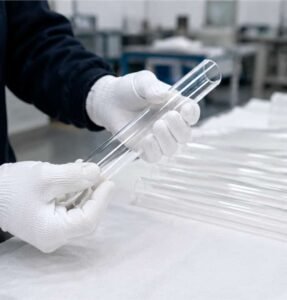
Step 1: Handle Quartz Glass Tubes Carefully
Proper maintenance starts with proper handling.
Although quartz glass has excellent thermal and chemical properties, it is still a glass material and can be damaged by strong mechanical impact.
When handling quartz glass tubes:
- Avoid dropping or striking the tube.
- Wear clean gloves when possible.
- Avoid touching the surface with bare hands.
- Place the tube on a clean and soft surface.
- Keep the tube away from sharp metal objects.
Clean gloves are particularly useful for preventing fingerprints and oil from remaining on the surface.
Step 2: Remove Dust and Loose Particles
Before using any cleaning liquid, first remove loose dust and particles from the quartz tube.
A clean, soft, lint-free cloth can be used for light cleaning. Compressed clean air may also be suitable for removing loose particles in certain applications.
Avoid using rough materials that could scratch or contaminate the surface.
If the tube is heavily contaminated with solid particles, clean it carefully before wiping the surface. Rubbing particles directly across the glass may increase the risk of surface damage.
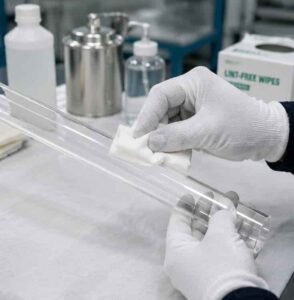
Step 3: Clean the Surface with a Suitable Solvent
For fingerprints, oil, and light organic contamination, a suitable cleaning solvent may be used.
Common cleaning methods can include using a clean, lint-free cloth with an appropriate solvent suitable for the specific application.
Always consider:
- The type of contamination
- The purity requirements of the application
- The cleaning chemical being used
- Whether chemical residue must be completely removed
For high-purity or laboratory applications, the cleaning process may need to follow specific technical procedures.
After cleaning, make sure no cleaning residue remains on the quartz surface.
Step 4: Avoid Contaminating the Tube After Cleaning
Cleaning the quartz tube is only part of the process. The surface should also be protected from contamination after cleaning.
After the tube has been cleaned:
- Avoid touching it with bare hands.
- Store it in a clean environment.
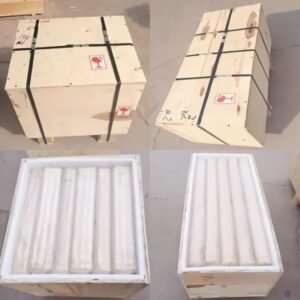
- Use suitable protective packaging.
- Keep it away from dust and metal particles.
- Avoid placing cleaned tubes directly on dirty work surfaces.
For products used in high-purity applications, proper storage conditions are particularly important.
Step 5: Avoid Sudden Temperature Changes
Quartz glass has excellent resistance to thermal shock compared with many conventional glass materials. However, this does not mean that quartz products can never be damaged by rapid or uneven heating.
To help extend the service life of a quartz glass tube:
- Heat the tube as evenly as possible.
- Avoid unnecessary localized overheating.
- Follow the operating temperature requirements of the equipment.
- Avoid severe mechanical stress during heating and cooling.
- Allow the product to cool appropriately when required.
The actual performance depends on factors such as tube dimensions, wall thickness, heating conditions, and the specific grade of quartz material.
If you are selecting quartz tubing for a high-temperature application, choosing the correct dimensions and material specifications is just as important as proper maintenance.
Common Mistakes to Avoid
Touching Quartz Tubes with Bare Hands
Fingerprints contain natural oils and other contaminants. When a quartz tube is exposed to high temperatures, these residues may become more difficult to remove.
Using clean gloves can help reduce this problem.
Using Rough Cleaning Materials
Rough brushes or abrasive materials should be avoided unless they are specifically suitable for the cleaning process.
Use clean and appropriate materials to reduce the risk of surface damage or contamination.
Ignoring Surface Contamination Before Heating
A tube may appear clean but still contain oil, fingerprints, or chemical residues.
For applications involving high temperatures or optical transmission, inspect the surface before use.
Improper Storage
Quartz tubes can become contaminated or damaged during storage if they are placed in unsuitable environments.
Proper packaging and storage can help prevent unnecessary cleaning and reduce the risk of mechanical damage.
When Should a Quartz Glass Tube Be Replaced?
Cleaning can remove many types of surface contamination, but it cannot repair every type of damage.
A quartz glass tube may need to be replaced if it has:
- Visible cracks
- Significant mechanical damage
- Severe deformation
- Permanent surface damage
- Contamination that cannot be removed
- Damage caused by unsuitable operating conditions
Regular inspection is a simple way to identify potential problems before they affect equipment operation.
Choosing the Right Quartz Glass Tube for Your Application
Proper maintenance begins with selecting a quartz glass tube that is suitable for the intended application.
Important factors may include:
- Outer diameter
- Inner diameter
- Wall thickness
- Length
- Operating temperature
- Material purity
- Transparency
- UV transmission requirements
- Special processing requirements
If your application requires custom dimensions or further processing, it is important to communicate these requirements clearly with the manufacturer before production.
You can also learn more about quartz glass properties and applications in our article What Is a Quartz Glass Tube? Properties, Types and Applications.
For high-temperature applications, you may find our guide Why Quartz Glass Tubes Are Widely Used in High-Temperature Applications helpful.
If you are comparing different glass materials, see our article Quartz Glass Tube vs. Borosilicate Glass Tube: What’s the Difference?
And if you are sourcing quartz products from a supplier, read How to Choose a Quartz Glass Tube Manufacturer: Buying Guide.
Conclusion
Quartz glass tubes offer excellent performance in demanding industrial and technical applications, but proper handling and maintenance can help protect their surface and extend their service life.
Keeping quartz tubes clean, avoiding unnecessary contamination, handling them carefully, and using appropriate storage methods are simple but important steps.
For applications with special requirements, always consider the operating environment, temperature, dimensions, purity requirements, and processing specifications when selecting a quartz glass tube.
Need Custom Quartz Glass Tubes?
Crystal Dragon is a professional manufacturer of quartz glass products. We can provide quartz glass tubes in different diameters, wall thicknesses, and lengths, as well as customized quartz processing services based on your requirements.
If you have drawings, samples, or specific size requirements, contact us for more information and a quotation.