Quartz glass tubes are widely used in industrial equipment, laboratory instruments, heating systems, and other applications that require specialized glass properties. Their performance depends not only on the quality of the raw material but also on the manufacturing process and the precision of subsequent processing.
Understanding how quartz glass tubes are manufactured can help buyers evaluate suppliers, compare product quality, and choose suitable tubes for their applications.
In this guide, we explain the main steps involved in quartz glass tube manufacturing, from raw material selection to final inspection and customized processing.
1. Raw Material Selection
The manufacturing process begins with the selection of suitable raw materials.
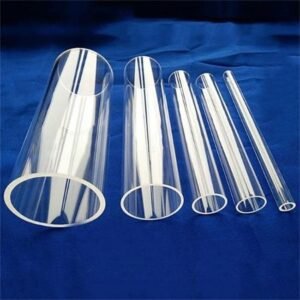
Quartz glass is primarily made from high-purity silica. The purity of the raw material can influence the final product’s optical properties, thermal behavior, and suitability for different applications.
Different applications may have different purity requirements. For example, certain optical and laboratory applications require particular attention to material quality and impurities.
When selecting a quartz glass tube manufacturer, buyers should consider whether the supplier can provide material specifications that meet their intended application.
Suitable raw materials provide the foundation for producing consistent quartz glass products.
2. Melting and Quartz Glass Formation
After raw material preparation, the material is processed at high temperatures to produce quartz glass.
The melting and forming method depends on the type of quartz glass, the required tube dimensions, and the intended application.
During this stage, the material is transformed into glass and formed into a tubular shape. Manufacturing conditions must be carefully controlled to achieve the required dimensions and material characteristics.
The selected production method can influence the tube’s dimensional consistency, surface quality, and suitability for subsequent processing.
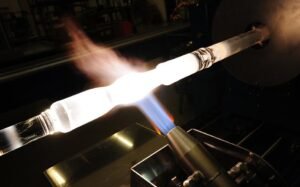
Because quartz glass has a high softening temperature, specialized equipment and appropriate processing techniques are required.
3. Tube Forming and Dimensional Control
Once the quartz glass reaches a suitable processing condition, it can be formed into tubes with specific diameters and wall thicknesses.
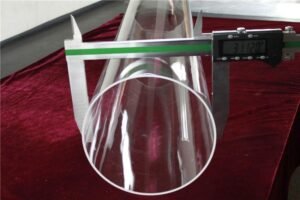
Important dimensional specifications include:
- Outer diameter (OD)
- Inner diameter (ID)
- Wall thickness
- Tube length
- Dimensional tolerances
These dimensions must be selected according to the intended application.
For example, a quartz tube used in laboratory equipment may need to fit a specific instrument, while a tube used in a heating system must be compatible with the equipment’s design.
Different production methods are suitable for different tube specifications. Customers requiring non-standard dimensions should communicate their requirements to the manufacturer before production begins.
4. Annealing and Stress Control
Depending on the manufacturing method and product requirements, annealing or other thermal treatments may be used during quartz glass production.
This stage helps manage thermal stress associated with processing and can improve the stability of the finished product.
The appropriate treatment depends on the material, tube dimensions, processing conditions, and intended use.
Proper thermal processing is particularly important when tubes will undergo additional cutting, polishing, or other operations.
5. Cutting and Customized Processing
After the tube has been produced, additional processing may be required to meet customer specifications.
Cutting is one of the most common operations. Quartz glass tubes can be cut to specified lengths for different equipment and applications.
Depending on the manufacturer’s capabilities, additional processing may include:
- End finishing and polishing
- Flame processing
- Drilling
- Special end configurations
- Customized sections
- Other machining or finishing operations
These processes allow manufacturers to supply products that meet more specific installation and application requirements.
For customers who need customized quartz glass tubes, technical drawings or physical samples can help clarify the required dimensions and processing details.

6. Quality Inspection
Quality inspection is an important part of quartz glass tube manufacturing.
Before shipment, products may be checked against the customer’s specifications and the manufacturer’s quality requirements.
Depending on the product, inspection items may include:
Dimensional inspection: Checking outer diameter, inner diameter, wall thickness, length, and specified tolerances.
Visual inspection: Examining the surface and appearance for visible defects that do not meet the applicable acceptance criteria.
Processing inspection: Checking whether cutting, polishing, drilling, or other customized operations meet the order requirements.
Specification verification: Confirming that the finished products correspond to the agreed product specifications.
Inspection requirements can vary according to the application. Customers with strict dimensional or surface requirements should communicate their acceptance criteria before production.
Consistent inspection helps reduce specification discrepancies and supports reliable repeat orders.
7. Packaging and Shipment
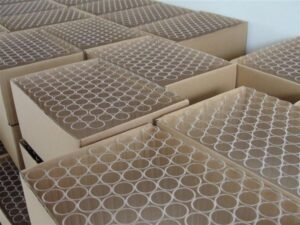
Quartz glass tubes must be packaged appropriately to protect them during storage and transportation.
Packaging methods depend on the tube’s dimensions, shape, quantity, and fragility.
Protective materials and suitable cartons or other packaging solutions can help reduce the risk of damage during handling and shipment.
For customized or bulk orders, packaging should also account for the length and configuration of the products.
Before ordering, buyers can discuss packaging requirements with the manufacturer, especially when products will be shipped internationally.
8. What Affects the Quality of Quartz Glass Tubes?
Several factors can influence the quality and consistency of finished quartz glass tubes.
Raw Material Quality
The material must meet the requirements of the intended application. Purity and other material characteristics may be particularly important for specialized uses.
Manufacturing Process
Suitable forming methods and controlled processing conditions help achieve the required tube dimensions and product characteristics.
Dimensional Accuracy
Outer diameter, inner diameter, wall thickness, and length should meet the agreed specifications.
Additional Processing
Cutting, polishing, drilling, and other operations must be appropriate for the product design and intended use.
Quality Inspection
Inspection procedures help verify that the finished products meet the specified requirements.
When evaluating a supplier, buyers should consider these factors together rather than relying on a single quality claim.
9. Can Quartz Glass Tubes Be Customized?
Yes. Many quartz glass tubes can be manufactured or further processed according to specific customer requirements, depending on the manufacturer’s production capabilities.
Customization may include:
- Different outer diameters and inner diameters
- Specific wall thicknesses
- Custom lengths
- Special end processing
- Drilled holes
- Polished surfaces or ends
- Other product configurations
Customers can provide drawings, samples, dimensions, quantities, and application details to help the manufacturer evaluate the requirements.
For repeat orders, confirming the specifications and applicable tolerances in advance can help maintain consistency between batches.
10. How to Choose a Quartz Glass Tube Manufacturer
Choosing a suitable manufacturer involves more than comparing prices.
Before placing an order, consider the following factors:
Product range: Does the supplier offer the tube sizes and product types you require?
Customization capability: Can the manufacturer review drawings, samples, and special processing requirements?
Quality control: Are dimensions and finished products checked against agreed specifications?
Production capacity: Can the supplier support your expected order quantities and delivery schedule?
Communication: Can the supplier clearly confirm technical details, quotations, packaging, and shipping arrangements?
Repeat-order consistency: Can the supplier work with documented specifications to support future orders?
Requesting a quotation with complete product specifications makes it easier to compare suppliers on a consistent basis.
Conclusion
Quartz glass tube manufacturing involves several important stages, including raw material selection, melting and forming, dimensional control, thermal processing where required, cutting, customized finishing, quality inspection, and packaging.
Each stage contributes to the final product’s suitability for its intended application.
For buyers, understanding these processes provides a useful starting point for evaluating manufacturers and communicating technical requirements.
At Crystal Dragon, we manufacture quartz glass tubes and other quartz glass products for a range of industrial applications. Customized requirements can be discussed according to product dimensions, drawings, samples, and processing needs.
If you are looking for quartz glass tubes or customized quartz glass products, contact us with your specifications and quantity requirements. We can review your needs and discuss a suitable solution for your application.